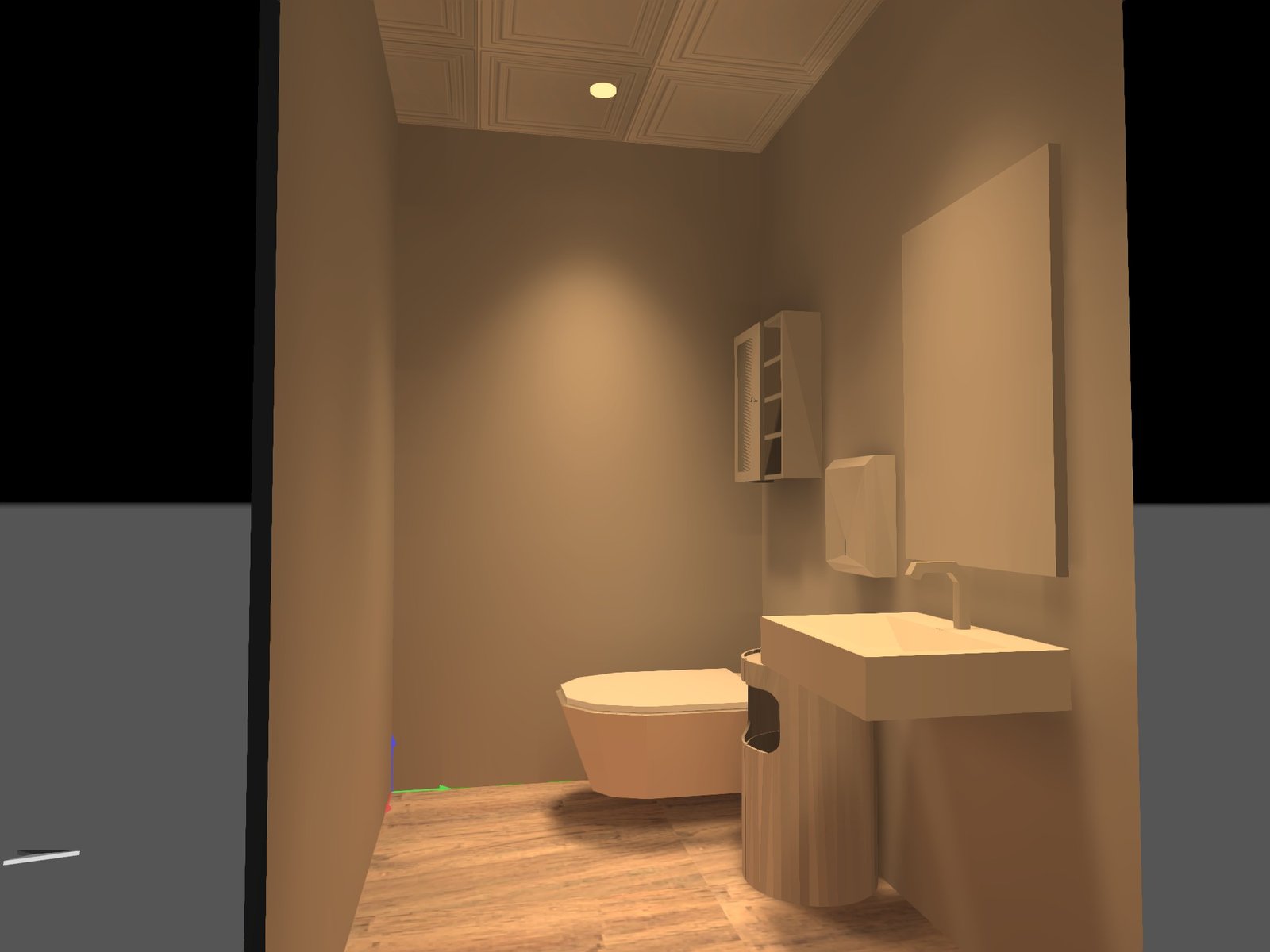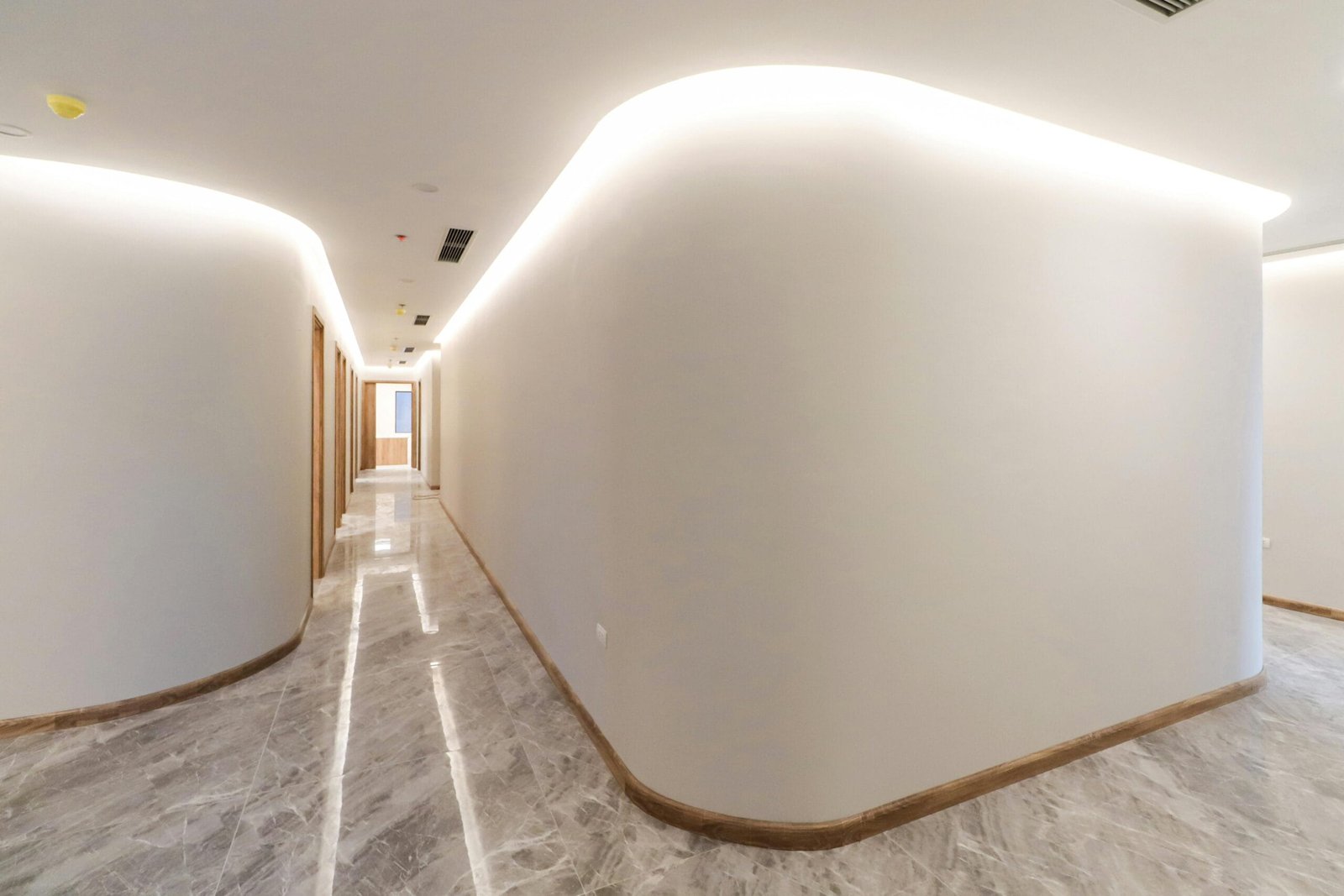
Lighting design is one of the few project disciplines that can fall between every scope and still touch all of them.
Everyone Holds a Piece
Look at how lighting moves through a typical project team:
- The architect sets the lighting intent and the ceiling.
- The interior designer selects the finishes and decorative fixtures.
- The engineer handles power, circuiting, and code compliance.
- The rep represents a product line.
- The electrical contractor prices what’s on the drawing.
- The general contractor coordinates what’s in the contract.
None of those roles are wrong. Each one is doing its job.
But none of them is assigned to carry lighting as a system — budget, schedule, controls, coordination, and mockups together.
Lighting Is Decided Many Times
Lighting is shaped by many decisions, made by different people at different stages of a project. It’s drawn in design, then reconsidered in value engineering, then substituted in procurement, then adjusted in the field, then programmed at the end.
The finished room depends on someone carrying the original intent through all of those decisions. Some projects have that person. Many don’t.
When the gap isn’t closed in design, it usually closes in the field — under schedule pressure, by whoever happens to be standing there.
What Carrying the Lighting Looks Like
Carrying the lighting doesn’t mean taking over anyone else’s scope. It means adding checkpoints at the moments where lighting coordination most often breaks down:
- Test before lock. Key fixtures, color temperatures, and control scenes are seen on the actual finishes before the specification is final.
- Evaluate substitutions. Every proposed “equivalent” is reviewed for light output, color, dimming, and fit, with a clear recommendation to whoever holds approval.
- Observe before close-in. Fixture locations, ceiling depth, and controls are checked in the field while correction is still simple.
- Finish before handover. Fixtures are aimed, scenes are set, and the owner knows how to use the system.
The architect keeps authorship. The engineer keeps the electrical scope. The contractor keeps means and methods. The lighting just stops falling between them.
If Your Project Already Has That Person
If you already work with a lighting designer who mocks up decisions with you and stays through commissioning, keep them. That’s exactly the role this post is about.
For the projects where that role is open, that’s what Illumify’s process is built to fill.
Find Your Role
I put together a 12-page breakdown of what this gap looks like from each seat on the team: architect, interior designer, general contractor, electrical contractor, and owner’s representative.
Who’s carrying the lighting on your current project? If the answer isn’t a name, book a free 30-minute discovery meeting. If someone on your team already has it covered, I’ll tell you.
Illumify is a lighting design firm led by Jared Jin, P.E., LC, MBA, based in Norcross, Georgia. We carry lighting intent from design through commissioning for architects, interior designers, builders, and owners across metro Atlanta and the Southeast. Book a free 30-minute discovery meeting · info@illumifyhome.com · 770-341-0761