
How lighting intent is carried from concept to the finished room.
Lighting is decided many times on a project — in design, in value engineering, in substitutions, in the field. Our process provides the photometric modeling, specifications, and construction-phase follow-through that keep the design intact through all of them.
Five phases, with four checkpoints where intent is most often lost
Lighting decisions made on paper only matter if they survive contact with the field. The phases cover the work. The checkpoints mark the moments where a lighting design usually changes — and where we make sure someone is watching it.
Discovery & Design Intent
Every project begins with a free discovery conversation and the architecture, not the fixture catalog. We work with your team to understand spatial intent, material palette, and performance priorities — and who on the project is carrying the lighting through construction.
Photometric Design & Lab Review
Lighting concepts are modeled in DIALux Evo to predict illuminance, uniformity, and glare. Key fixtures, color temperatures, and control scenes are then reviewed on your actual finishes in the Design Lab before specification is final. What the model predicts is what we hold construction to.
Checkpoint: Test before lockDocumentation & Code Coordination
We deliver permit-ready reflected ceiling plans, fixture schedules, and specifications, with lighting data your MEP engineer can use directly. Documentation is coordinated with IECC and ASHRAE 90.1 requirements from the start, not retrofitted at the end.
Construction-Phase Review & Observation
We review lighting submittals and substitutions against the design — light output, color, dimming, and physical fit — and recommend a course of action to whoever holds approval. A site observation at rough-in checks fixture locations, ceiling depth, housings, and controls while correction is still simple and inexpensive.
Checkpoint: Evaluate substitutions Checkpoint: Observe before close-inCommissioning & Handover
Adjustable fixtures are aimed, and scenes and dimming are set to design intent with your electrician or integrator. The owner gets a walkthrough and a record of the settings. An installed lighting system isn’t finished until this step is done.
Checkpoint: Finish before handoverAll four checkpoints are included in every engagement. They aren’t add-ons.
Already have a lighting plan? We can review the existing design and join at phase 04, carrying it through construction without redoing the work your team has already done.
What we hold constant across every phase
Circadian & Human-Centric Controls
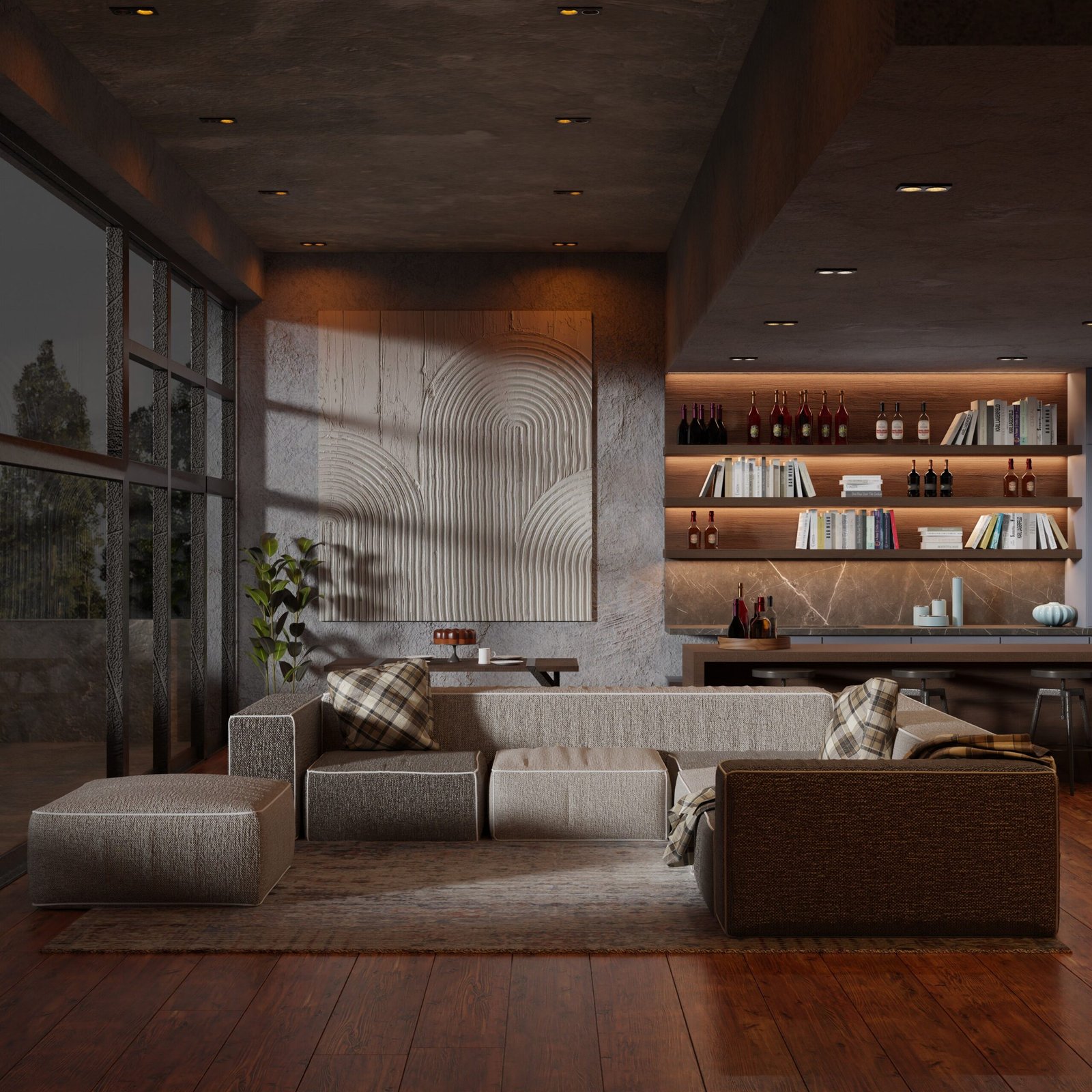
We design control intent that supports visual comfort and the rhythm of the day. Using tunable-white sources where appropriate and dimming protocols matched to the control system, we define scenes that move from bright, active morning light to warmer evening settings, with consistent color across fixtures. Programming is performed by your integrator or electrician to our documented intent.
Optical Precision & Material Fidelity
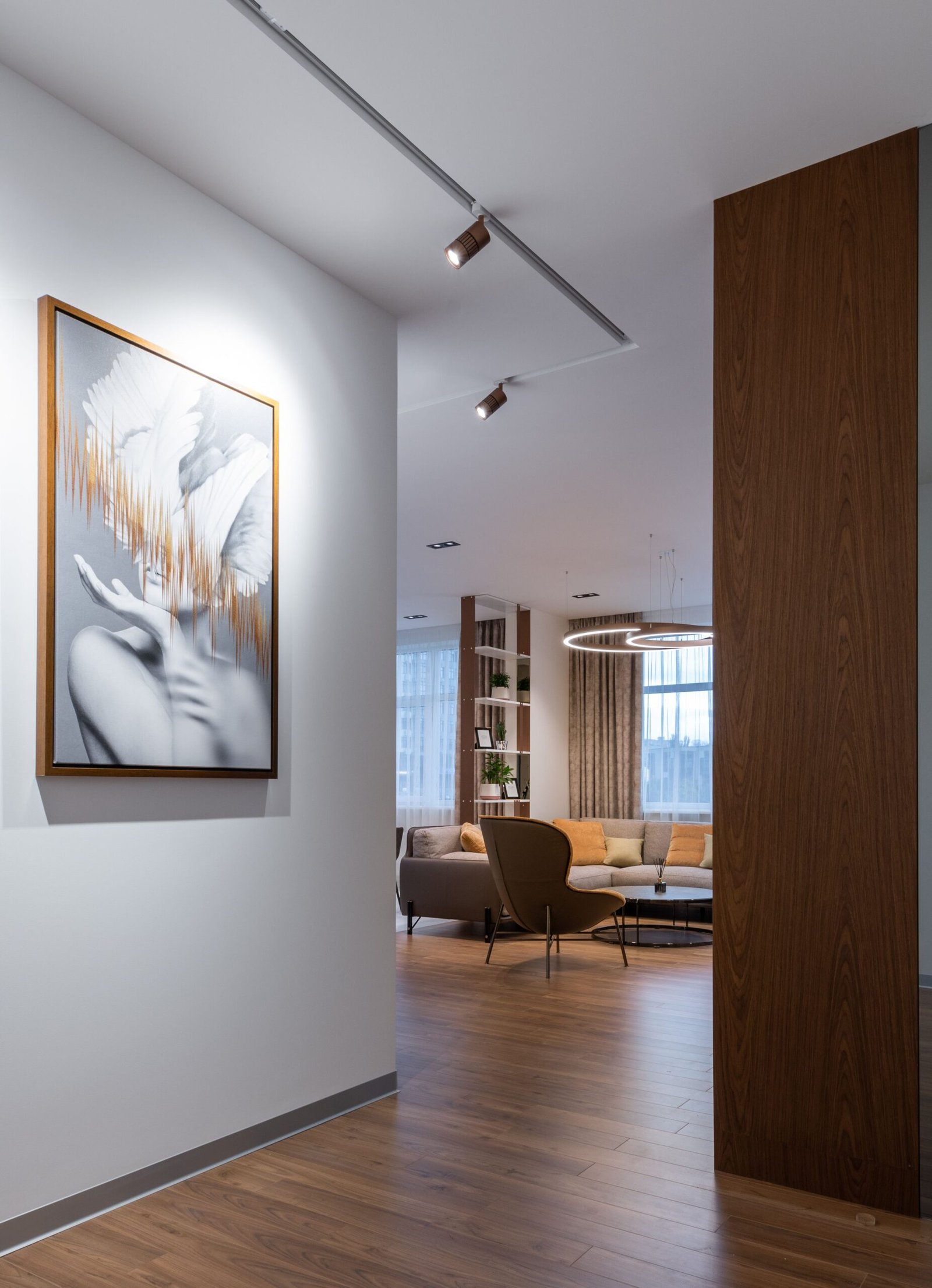
Design intent depends on how light renders the materials you chose. We specify luminaires with CRI 90 or higher, attention to R9, and TM-30 metrics, so natural stone, wood grain, and fabric keep their true color. We favor concealed sources and precise beam angles to control glare and reveal the architecture rather than the fixture.
Code Compliance & Performance Efficiency
Efficiency is managed through design, not just hardware. We provide the lighting power density calculations and photometric analysis needed to meet IECC and ASHRAE 90.1, coordinated with your engineer of record. High-efficacy LED sources, occupancy sensing, and daylight response reduce energy use without compromising light levels or the design.
Who’s carrying the lighting on your project?
Start with a free 30-minute discovery meeting. If someone on your team already has it covered, we’ll tell you.