On a custom home, lighting rarely gets designed by one person.
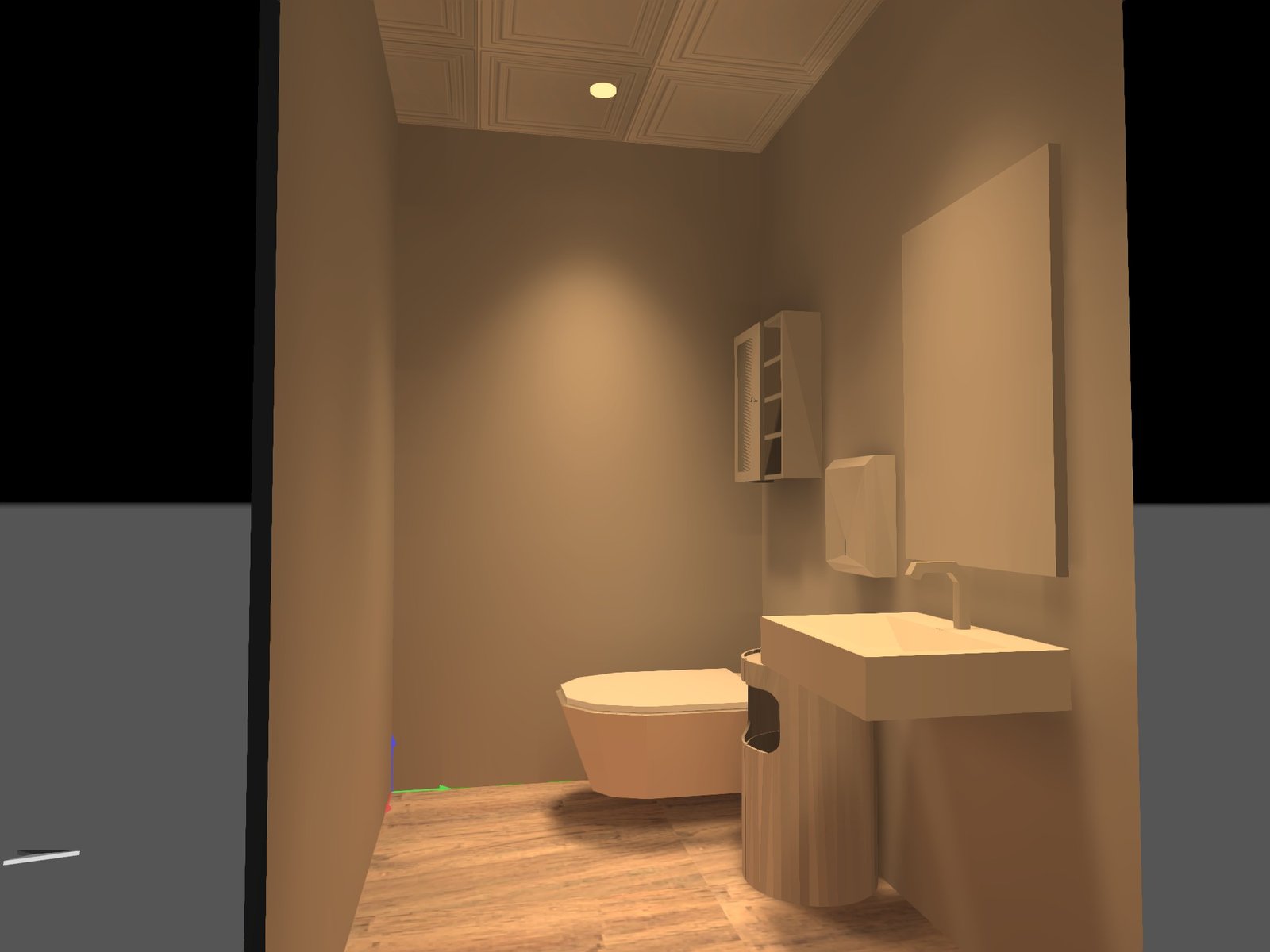
The architect defines the ceiling intent — coffers, coves, apertures.
The interior designer selects the decorative fixtures — pendants, sconces, statements.
The electrician resolves whatever wasn’t fully decided — in the field, mid-construction, under schedule pressure.
Often, no one is assigned to carry the whole problem.
That’s not a critique of any one role. It’s a structural gap in how custom homes get delivered — the hidden gap in custom home lighting design — and it’s where most lighting failures originate.
Where Good Intent Falls Apart
From a distance, the system appears coordinated. In reality, it often isn’t.
Details get interpreted. Assumptions get layered in. Decisions get deferred until installation. And by the time conflicts surface, the ceiling is already framed, wired, and scheduled to close.
Lighting becomes reactive.
The result isn’t always obvious on paper — but it becomes unmistakable in the built space.
The Failure Most People Don’t See Coming
Two recessed fixtures can carry identical specs:
- Same lumen output
- Same color temperature
- Same beam angle
On paper, they’re interchangeable.
In reality, they can feel completely different once installed.
Why?
Because the things that determine how light actually behaves aren’t fully represented on the spec sheet:
- Driver quality — stability, flicker performance, and long-term consistency
- Dimming behavior — whether the curve aligns with human perception or follows a raw linear output
- Control compatibility — what “dimmable” actually means in the context of a specific system
- Low-end performance — how the fixture behaves at the bottom of the dimming range (smooth fade vs. stepping, dropout, or flicker)
These are not aesthetic variables.
They are system-performance variables.
And they are rarely resolved at the design intent stage.
This Isn’t a Design Problem — It’s an Execution Problem
By the time these issues show up, they’re no longer theoretical.
They’re installed.
At that point, options are limited:
- Accept compromised performance
- Attempt partial fixes
- Or remove and replace — often at disproportionate cost
The root issue isn’t that someone made a poor decision.
It’s that no one was positioned to carry the outcome across disciplines.
What “Lighting Design” Should Actually Mean
In a custom home, lighting design should not be limited to fixture selection or layout diagrams.
It should mean:
- Translating architectural intent into buildable lighting systems
- Aligning fixture performance with control strategy before procurement
- Resolving dimming behavior and compatibility at the circuit level
- Testing key fixtures, color temperatures, and scenes on the actual finishes before the specification is final
- Reviewing every proposed substitution against the original intent
- Observing real-world conditions before ceilings close
- Aiming fixtures and setting scenes before the owner moves in
In other words, closing the gap between what was imagined and what gets built.
Bridging the Gap
This isn’t about replacing the role of the architect or the interior designer.
It’s about protecting what they’re each responsible for:
- The architect’s spatial intent
- The designer’s aesthetic vision
By carrying the lighting system through construction so it behaves the way it was designed — under real conditions, not just on paper.
That requires a different layer of involvement:
Someone who understands both the design side and what’s happening at the product engineering and control level.
A Different Perspective on the Problem
I spent a decade in lighting product engineering — earning my P.E. along the way — before moving into lighting design.
That changes how I read a cut sheet.
It’s not about trusting what’s printed. It’s about understanding what’s behind it:
- How the driver was designed
- How the dimming curve was implemented
- How the system will behave once installed
Because in lighting, those are the details that determine whether the space feels resolved — or quietly off.
The Missing Layer in Custom Homes
The custom home process already includes strong disciplines.
What’s often missing is the layer that connects them — technically and systemically — before decisions become irreversible.
Lighting design, done correctly, fills that role.
Not as an overlay.
Not as an opinion.
But as the role that carries design intent through construction.
Some projects already have someone in that role. For the ones that don’t, that’s what Illumify’s residential lighting design is for.
Illumify is a lighting design firm led by Jared Jin, P.E., LC, MBA, based in Norcross, Georgia. We carry lighting intent from design through commissioning for architects, interior designers, builders, and owners across metro Atlanta and the Southeast. Book a free 30-minute discovery meeting · info@illumifyhome.com · 770-341-0761