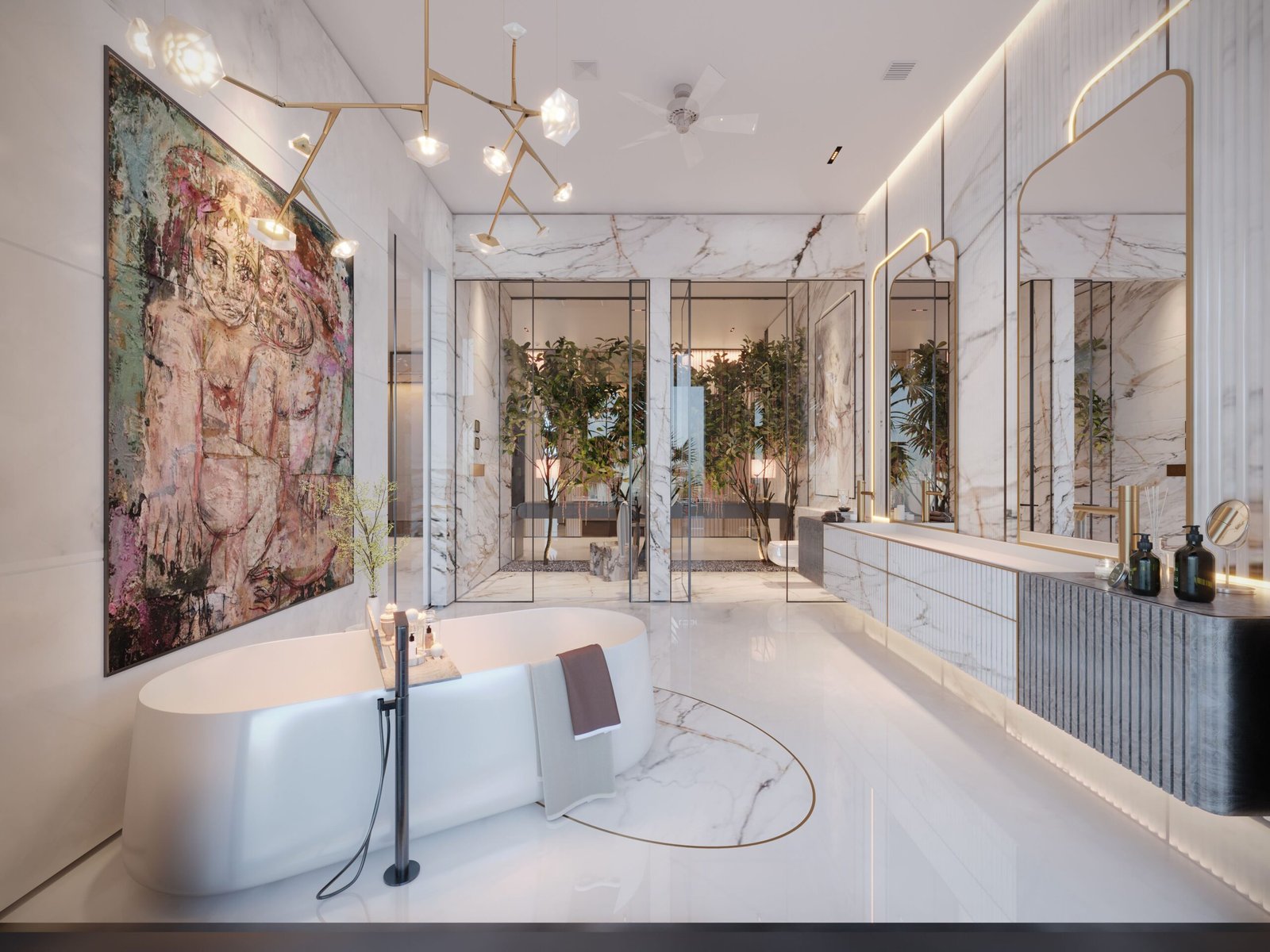
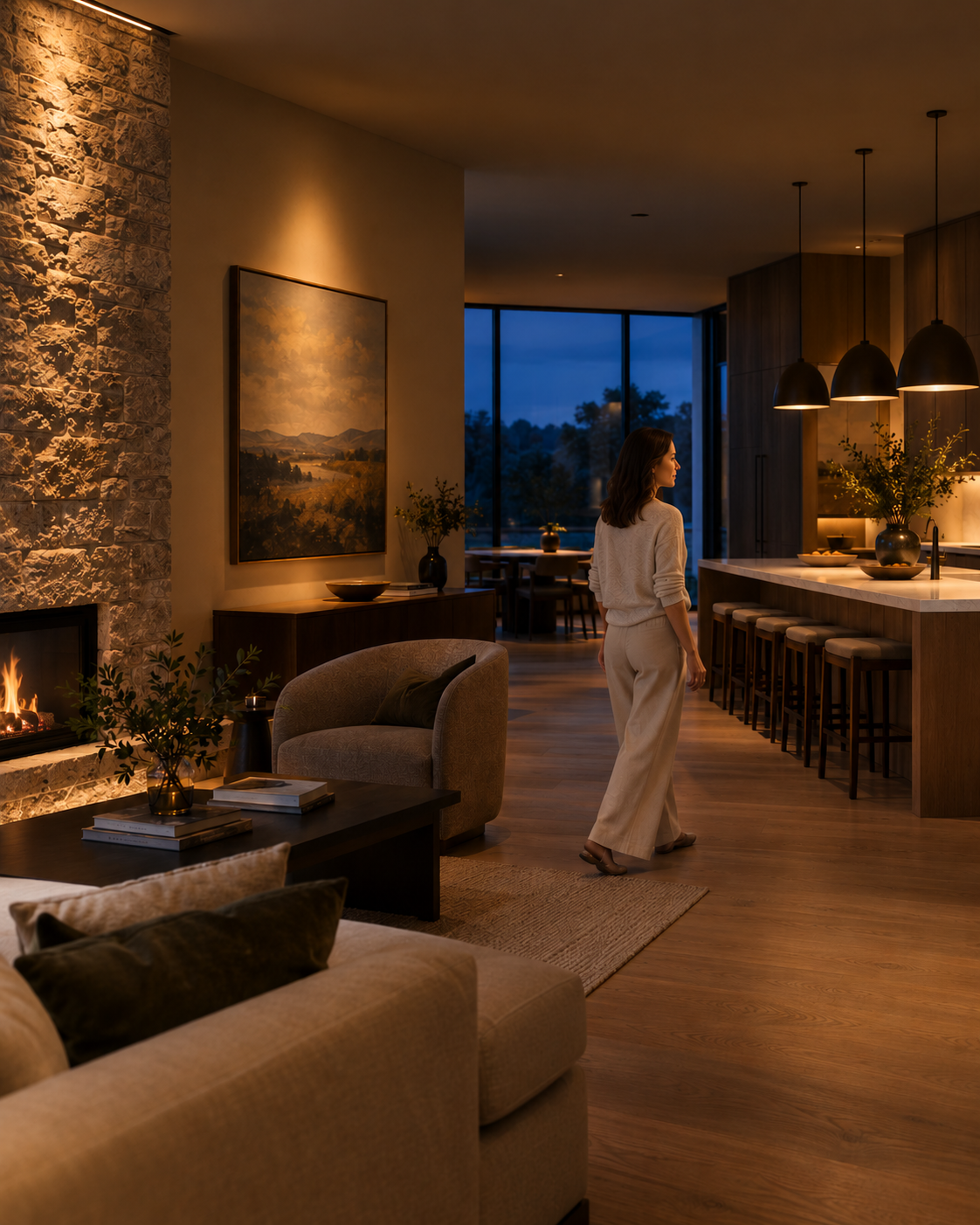
One of the most common misunderstandings in lighting design is this: a photo or rendering of lighting is not the way people actually perceive and feel a space.
Lighting often looks striking in photographs, videos, or ray-traced renderings. But when you step into the space in person, the experience can feel very different.
A Camera Captures a Moment. A Person Experiences a Sequence.
Lighting perception is human and highly individual. How we experience light is shaped by:
- Age and visual acuity
- Adaptation time and contrast sensitivity
- Movement through the space
- Peripheral vision, which a camera frame cuts off
- Psychological comfort, glare, and sense of scale
As lighting designers, we should be honest about this gap — and proactive in managing expectations.
What Lighting Renderings Can’t Show
Even the most advanced lighting renderings and carefully edited photos can mislead. Ray tracing simulates the physics of light reasonably well, but it still can’t replicate:
- How the eye adapts as you move from bright to dim areas
- Emotional response to a space
- Depth perception
- How lighting changes across scenes and through the day
So How Should a Lighting Design Be Judged?
It starts long before the first luminaire is selected:
- A clear lighting brief, developed early with the architect, interior designer, and owner
- Defined functional requirements and performance metrics, not just aesthetics
- A clear hierarchy of light: what is the focal point, what recedes, and what supports visual comfort
- Thoughtful scenes and transitions
- Key decisions tested in person — on real finishes, at real mounting heights — before they’re locked in
- And critically, user control
Once the fixtures are installed, can the people using the space fine-tune light levels, adjust scenes to their preferences, and adapt the space over time without the designer present? People rarely experience a space exactly as intended on day one — and they shouldn’t have to.
A Real-World Example: Landscape Lighting
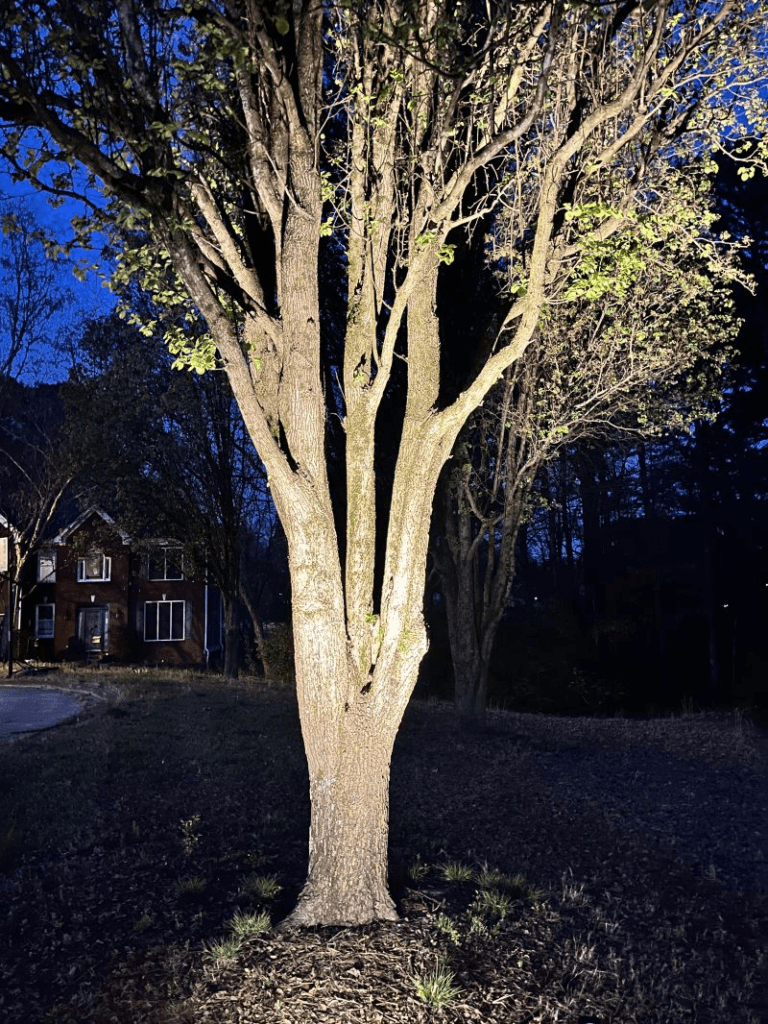
A phone photo of landscape lighting might look dramatic and perfectly balanced. Standing there in person, the lit trees and façade may feel flat, too dim, glary, or missing depth. The immersive experience doesn’t translate through a lens.
That’s why the final calls on landscape lighting are made on site, at night, with the system live — as in our After Dark residential landscape project.
Design for People, Not Cameras
Lighting design is not about creating the best image. It’s about shaping human experience. Our responsibility as designers is to communicate the limits of visuals and set the right expectations.
That’s why we test decisions in the Illumify Design Lab and mock up landscape lighting on site at night, before anything is specified.
Because great lighting isn’t just seen — it’s felt.
Illumify is a lighting design firm led by Jared Jin, P.E., LC, MBA, based in Norcross, Georgia. We carry lighting intent from design through commissioning for architects, interior designers, builders, and owners across metro Atlanta and the Southeast. Book a free 30-minute discovery meeting · info@illumifyhome.com · 770-341-0761